
Outdated ideas about custom dentures keep plenty of people from replacing missing teeth. For anyone considering dentures in Quakertown, PA, separating fact from fiction is the first step toward a confident, comfortable smile. Modern materials and careful fitting have changed what wearing dentures looks and feels like.
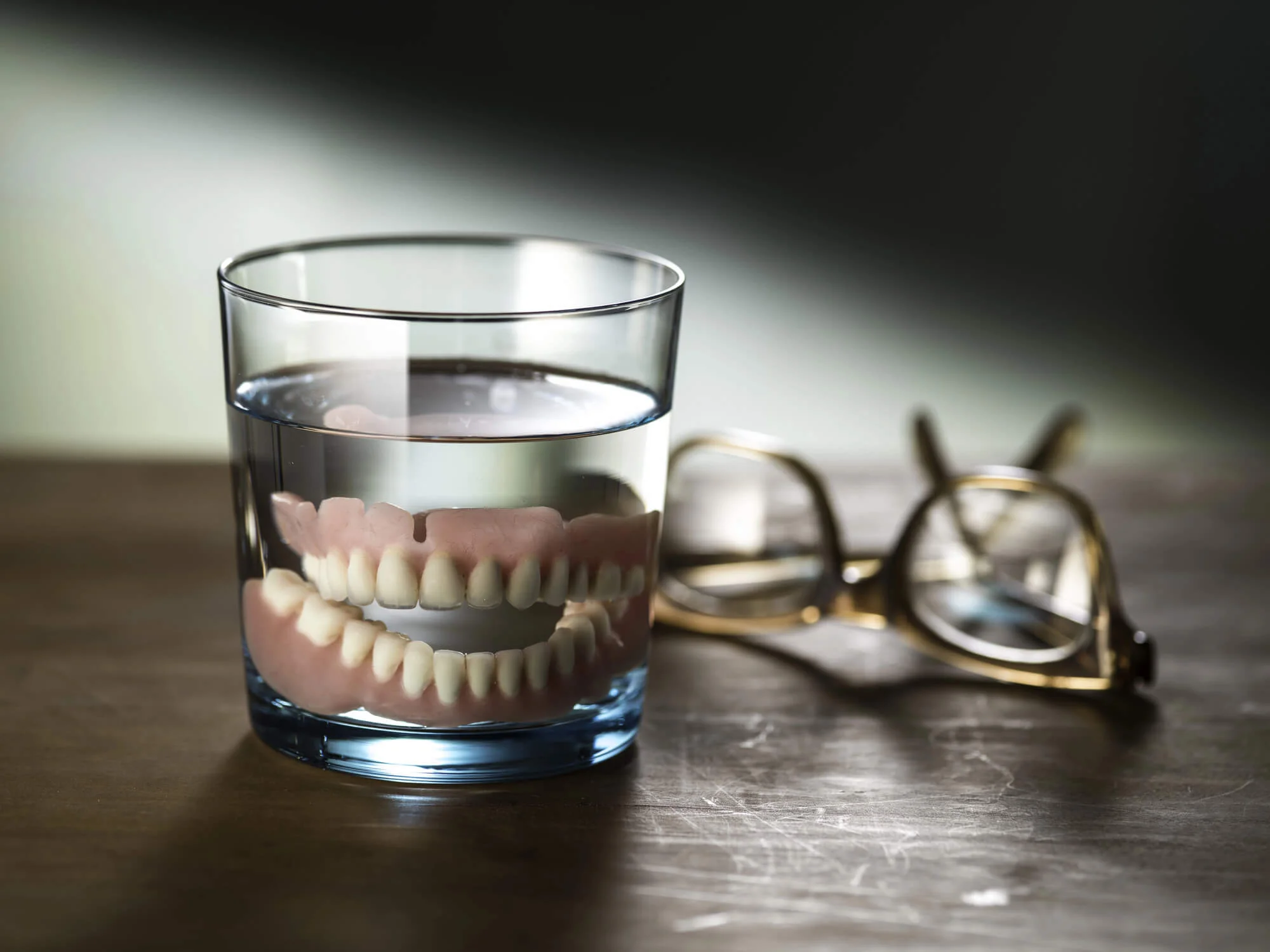
Separating Denture Facts From Fiction
Myth 1: Dentures Always Look Fake
Today’s dentures are custom-made to match the shape, size, and shade that suit each face. Try-in appointments allow the dentist to check color and fit before the final set is completed.
The American Dental Association notes that dentures can closely resemble natural teeth. They also support facial muscles that might otherwise sag, which helps the whole smile look fuller.
Myth 2: Dentures Are Only for Seniors
Tooth loss can happen at any age due to decay, gum disease, or injury. Adults who need several tooth extractions may also be good candidates for a full or partial denture.
What matters most is the health of the gums and jaw, not a birthday. A dentist can recommend the right type after a thorough evaluation.
Myth 3: Dentures Slip All the Time
A well-fitted denture should feel secure during everyday eating and speaking. New wearers may notice some looseness at first, but that usually improves as the cheeks and tongue adapt.
For extra stability, implant-retained dentures anchor to four to eight dental implants. This design does not rely on suction or adhesive to stay in place.
Myth 4: Partial Dentures Aren’t Worth It
Removable partials fill gaps while working alongside the remaining natural teeth. Flexible partials offer a lightweight option, and a fixed dental bridge may suit patients missing just one or two teeth.
Myth 5: Once Fitted, Dentures Need No Follow-Up
Gums and jawbone change over time, so dentures need periodic relines and adjustments. The Cleveland Clinic’s denture guide notes that most dentures need relining every 1 to 2 years and last about 7 to 10 years.
It is smart to call the dentist if a denture starts to show any of these signs:
- Feels loose or shifts while eating
- Pinches or irritates the gums
- Clicks during speech
- Looks cracked, chipped, or discolored
Routine exams and X-rays also help the dentist monitor the gums and any remaining teeth.
Frequently Asked Questions About Dentures
How Long Does It Take to Adjust?
Most people adapt within a few weeks, though some need a little longer. Mild soreness and extra saliva are normal early on and typically fade as the mouth adjusts.
How Should Dentures Be Cleaned?
Dentures should be brushed daily with a denture brush and a non-abrasive cleanser, since regular toothpaste can scratch them. When not in the mouth, they belong in water or a denture bath to keep their shape.
Can Denture Wearers Eat Normally?
Starting with soft foods cut into small pieces makes the first few weeks easier. Over time, most wearers return to a wide variety of foods with greater confidence.
Are There Alternatives to Traditional Dentures?
Implant-supported dentures and partials can be either fixed or removable, depending on each patient’s needs. A consultation helps determine which option best suits the mouth, jaw, and lifestyle.
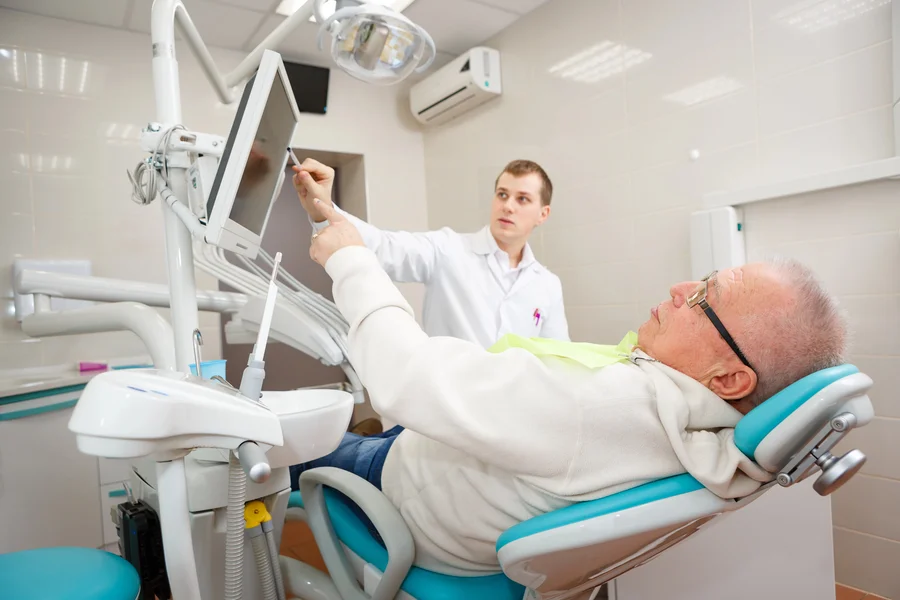
Get Fitted for Dentures in Quakertown, PA
Ready to restore your smile and your confidence? Our team at Beautiful Smiles creates dentures in Quakertown, PA, that fit comfortably and look natural. Schedule your consultation today.