
Bite problems are not always obvious, and some can affect more than the appearance of a smile. An orthodontist in Quakertown can evaluate how the teeth and jaws fit together and determine whether orthodontic treatment may help improve alignment and function.
Recognizing common warning signs can make it easier to seek an evaluation before a problem becomes more difficult to manage.
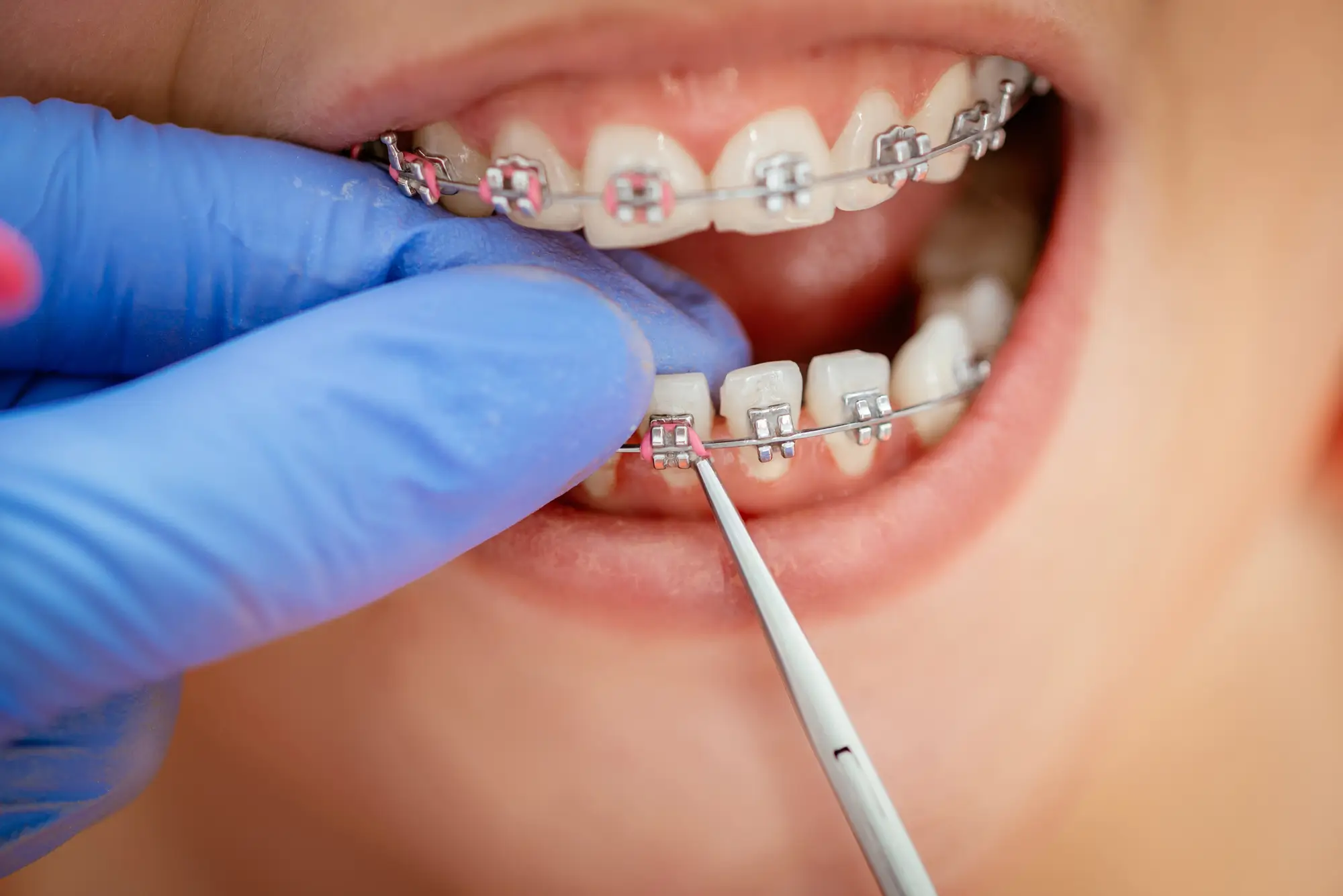
Signs That a Bite May Need Professional Attention
1. Teeth Do Not Meet Comfortably
When the upper and lower teeth do not come together comfortably or in a balanced way, it may indicate an alignment issue. Orthodontic concerns can include an overbite, underbite, crossbite, or other bite relationships that affect how the jaws and teeth function.
2. Chewing Feels Difficult or Uneven
Difficulty biting into food or chewing evenly may occur when the teeth do not make proper contact. A professional dental exam can help identify whether the problem is related to tooth alignment, jaw position, or another oral health concern.
3. Teeth Are Crowded or Shifted
Crowded or overlapping teeth can make some areas harder to clean and may affect how the bite develops over time. Orthodontic care can address common alignment concerns by gradually guiding teeth into more favorable positions.
4. There Is a Noticeable Gap or Bite Change
Changes in spacing or the way the teeth fit together should not be ignored, especially when they develop gradually. Tooth movement can occur for different reasons, and a bite evaluation can help determine whether orthodontic treatment is appropriate.
5. Children Show Early Bite Changes
Early evaluation may identify developing alignment concerns before all permanent teeth are present. A routine visit can also help monitor changes in the teeth and jaws as a child grows.
Other Clues Worth Paying Attention To
1. The Teeth Wear Unevenly
Uneven pressure from a misaligned bite can contribute to irregular wear on certain teeth. Worn surfaces may become more noticeable over time, particularly when one part of the bite receives more force than another.
2. Jaw or Facial Muscles Feel Strained
Jaw discomfort can have several causes, so it is important not to assume that orthodontic treatment is always the answer. However, bite concerns may be considered as part of a broader evaluation when symptoms involve jaw function or persistent muscle strain.
3. Keeping Teeth Clean Is Difficult
Crooked or crowded teeth can create tight areas where plaque is harder to remove effectively. Regular teeth cleaning and good home care remain important, but improved alignment may make daily cleaning easier for some people.
What Happens During a Bite Evaluation?
1. The Teeth and Bite Are Examined
An evaluation considers how the teeth are positioned and how the upper and lower jaws come together. X-rays or other diagnostic tools may also provide information about teeth that are not visible during a standard visual examination.
2. Treatment Needs Are Discussed
Not every bite difference requires immediate treatment, and recommendations depend on the individual situation. A personalized treatment plan can take into account age, oral health, the severity of the alignment issue, and overall treatment goals.
3. Other Dental Needs May Be Considered
In some cases, orthodontic planning may be coordinated with other restorative or preventive care. For example, addressing damaged teeth with dental crowns or improving gum health may be important before or alongside certain treatment plans.
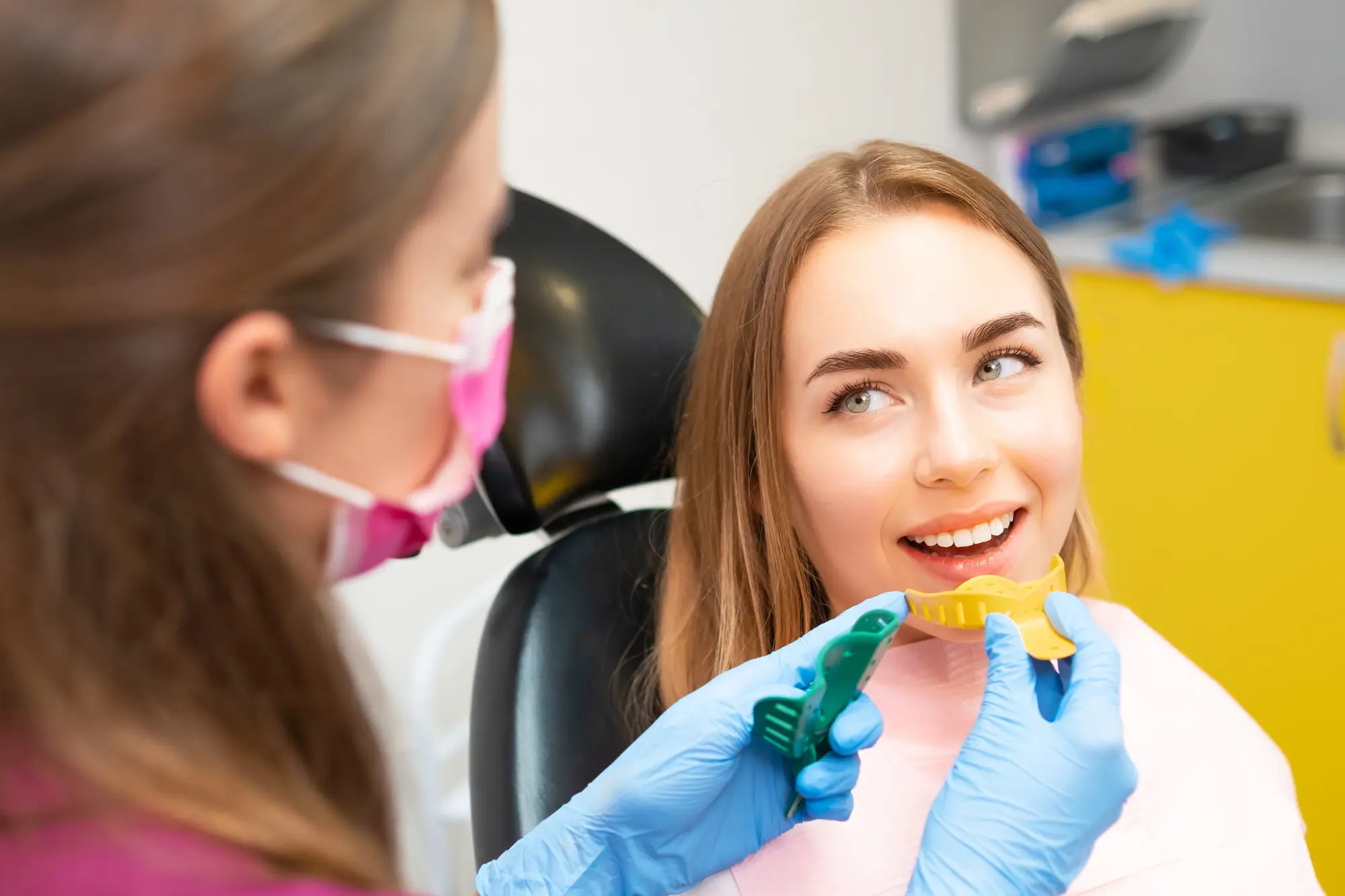
Know When to See an Orthodontist in Quakertown for a Bite Problem
If crowding, uneven tooth contact, difficulty chewing, or visible changes in your bite are affecting your smile, an evaluation can provide clearer answers about next steps. Beautiful Smiles can help evaluate your concerns and discuss available options.
Contact the team today to schedule an appointment!